
• Dahabiya Nile Sailing •
Brève description: Une croisière en Dahabiya sur le Nil est la manière la plus unique, authentique et exclusive de découvrir le Nil avec élégance et confort. Les Dahabiyas sont des bateaux à voile en bois traditionnels avec des cabines privées avec salle de bain attenante, conçus à l’origine pour transporter les voyageurs du XIXe siècle le long du Nil avec confort. Pour ceux qui veulent découvrir la culture, l’histoire et la détente en traversant la vallée du Nil, il n’y a pas de meilleure façon qu’une croisière en Dahabiya.

Jour 1 (généralement vendredi)
Midi : embarquement sur la Dahabiya. Déjeuner et navigation. Dîner et nuit à bord à Daraw.
Possibilité de nager ou de faire du kayak. * Si vous souhaitez faire du kayak, merci de nous prévenir deux jours avant le début de la croisière pour que nous puissions prévoir les kayaks.
Jour 2
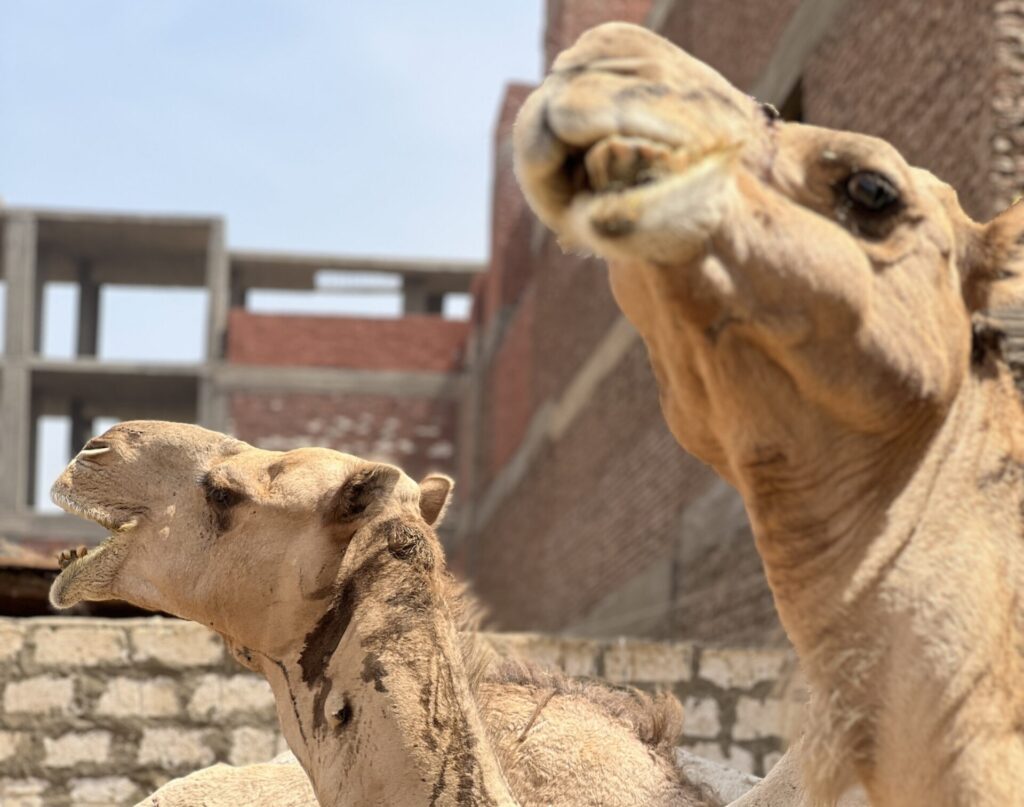
Petit-déjeuner à bord. À Daraw, vous apprendrez à faire vos courses comme un local au marché, visiterez une étable pour rencontrer des chameaux et en apprendrez plus sur le commerce des chameaux, puis visiterez une ville nubienne. Visite du temple de Kom Ombo. Déjeuner à bord. Navigation vers l’ancienne carrière de grès et les sanctuaires d’El Selsela. Dîner et nuit à bord près de Bisaw.
Dîner barbecue.
Jour 3
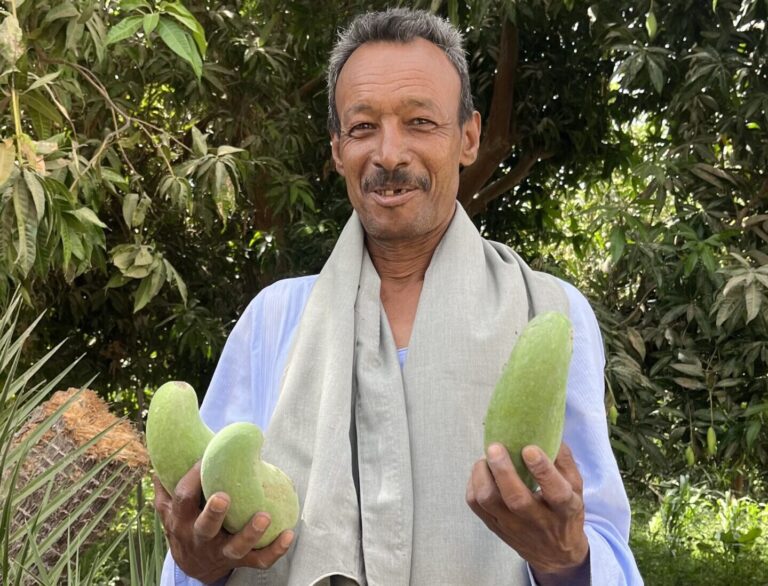
Petit-déjeuner chez l’habitant ou à bord. Exploration de l’île de Bisaw, promenade à travers les fermes et rencontre avec les villageois. Participation avec les pêcheurs locaux pour partager l’expérience de la pêche sur le Nil. Navigation vers Edfou, transfert pour visiter le temple d’Horus. Déjeuner à bord. Dîner et nuit à bord à El Hegz.
Jour 4
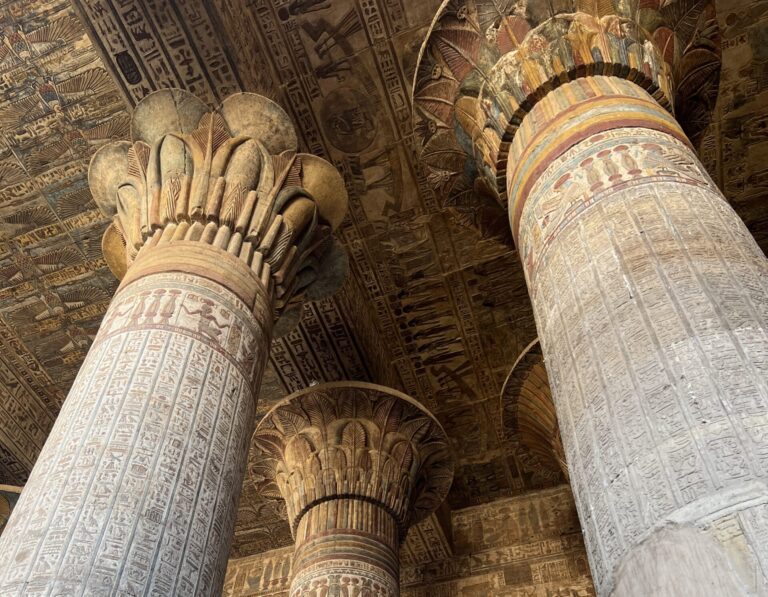
Petit-déjeuner à bord. Navigation vers Esna. Débarquement après le petit-déjeuner. Visite du temple, du caravansérail restauré et du marché. Esna fait partie du gouvernorat de Louxor, et nous roulons environ une heure d’Esna à Louxor.
À Daraw, nous planifions le dîner pour ce soir-là et vous apprenez à faire vos courses à l’égyptienne, puis vous mettez vos nouvelles compétences en pratique au marché en achetant les ingrédients pour le dîner. Nous visitons également une étable à chameaux pour en apprendre plus sur ces fascinants animaux et sur le commerce des chameaux.
Nous visiterons une ville nubienne. Vers 7 000 av. J.-C., des communautés ont évolué à partir des civilisations africaines de la vallée du Nil pour former les civilisations nubienne, égyptienne antique et koushite. Il existe plusieurs communautés nubiennes près de Daraw. La civilisation nubienne est l’une des plus anciennes de la vallée du Nil. Les Nubiens sont un groupe ethnolinguistique distinct indigène au sud de l’Égypte et au nord du Soudan, mais les Nubiens d’Égypte qui ont été déplacés par la construction du Haut Barrage près d’Assouan vivent aujourd’hui principalement au nord du lac Nasser. Bien que les Nubiens soient historiquement et culturellement distincts des autres Égyptiens, ils sont depuis longtemps interconnectés avec l’Égypte. Alors que de nombreux pharaons égyptiens ont colonisé la Nubie à diverses époques, les pharaons nubiens du royaume de Koush ont régné sur l’Égypte ancienne au VIIe siècle av. J.-C.
Le temple de Kom Ombo est dédié au dieu Sobek, à tête de crocodile, et au dieu Horus. Le lien avec la puissance du Nil est évident lorsque vous regardez vers le temple. Nous visitons également le musée du crocodile, qui présente d’impressionnants crocodiles momifiés.
Navigation vers El Selsela, où nous faisons une courte promenade parallèle au Nil pour visiter les sanctuaires et une immense carrière. De grandes quantités de grès ont été extraites ici pour la construction des temples à Thèbes (Louxor). Taillée dans la roche se trouve la speos (chapelle) d’Horemheb avec son sanctuaire contenant des sanctuaires rupestres et diverses stèles et inscriptions. L’immense carrière donne une idée du volume de matériaux de construction provenant de cette région. Il y a aussi une zone de sable où les enfants (et les grands enfants) peuvent glisser et jouer. Dîner et nuit à bord de la Dahabiya, où vous commencez à vous imprégner du rythme de vie du Nil.
Stepping off the dahabiya at Bisaw Island and village we take a leisurely walk through a farm, meet some of the women and children and learn how the unique sun bread is baked in homes here. We are welcomed by the local fishermen to their boats, learning of the skills of these men who live in harmony with the Nile. Fish caught can be enjoyed as part of dinner that evening.We board the dahabiya for lunch and sail towards Edfu. Ride to the imposing Temple with its grand spaces and many hieroglyphic inscriptions. View Tell Edfu to the West of the temple, which includes houses dating from the Old to New Kingdom. If time allows we also stroll through the local market.
We sail again, time to relax with dinner, overnight on board in El Hegz. El Hegz Village. This is an opportunity for true cross cultural exchange as we visit a local family who are excited to have visitors from the wider world. Your guide will translate so you can ask them questions and enhance your understanding of village culture.
After breakfast, check out of the dahabiya. In Esna we explore the Temple dedicated to the ram headed god Khnum. The temple sits below street level within the town, as it was excavated from layers of earth. Enjoy discovering heritage craft traditions including beautiful textiles as we visit the restored Wekalet Al-Geddawi, a caravanserai, and the Ottoman era market of Al-Qissariya. Drive about an hour to Luxor and transfer to Luxor airport or your hotel. Also you can start a tour in Luxor in that day (choose from the optional tours/activities below)
Rive Ouest : La rive ouest de Louxor abrite d’innombrables tombes, temples et le village des ouvriers qui ont construit et décoré les tombes et temples. En commençant notre exploration de la rive ouest, notre première visite est aux Colosses de Memnon. Ces deux imposantes statues en grès marquent l’emplacement du temple funéraire du pharaon Amenhotep III (1386 – 1353 av. J.-C.).
Vallée des Rois, faisant partie de la nécropole de l’ancienne Thèbes. Site classé au patrimoine mondial de l’UNESCO. Pendant plus de mille ans, les rois, reines et nobles du Nouvel Empire (1500 – 1070 av. J.-C.) ont choisi d’y être enterrés.
Temple d’Hatchepsout. Pendant son règne, la pharaonne Hatchepsout (1473 – 1458 av. J.-C.) a fait construire un temple funéraire à Deir el Bahari, situé en face du temple de Karnak, sanctuaire principal du dieu Amon. Beaucoup le considèrent comme l’un des plus beaux temples d’Égypte.
Ancien village des ouvriers. Deir el-Medina est le nom arabe du village où vivaient les artisans et artistes qui ont travaillé sur les tombes et monuments de la rive ouest, y compris ceux de la Vallée des Rois et de la Vallée des Reines.
Vol en montgolfière. Vol en montgolfière au-dessus de la rive ouest de Louxor au lever du soleil (environ 50 minutes de vol).
Temple de Karnak. Le site est immense, couvrant plus de 100 hectares. La construction à Karnak a commencé au Moyen Empire (2000 – 1700 av. J.-C.) et s’est poursuivie jusqu’à l’époque ptolémaïque (305–30 av. J.-C.). Sa taille et sa diversité en font un site extraordinaire.
Temple de Louxor, situé à environ trois kilomètres au sud du temple de Karnak. Ces temples étaient reliés par une voie processionnelle bordée de sphinx, aujourd’hui connue sous le nom d’Avenue des Sphinx. C’est le seul temple au monde où les religions égyptiennes anciennes, les cultes grecs et romains, le christianisme et l’islam ont été pratiqués. Le temple a été principalement construit par Amenhotep III (vers 1390–1352 av. J.-C.) et Ramsès II (1279–1213 av. J.-C.).
Dendara et Abydos. Si vous souhaitez explorer Dendara ou Abydos, nous pouvons organiser vos visites les jours précédant la Dahabiya, ce qui pourrait ajouter une journée supplémentaire à Louxor.
Philae: giving you a picturesque approach to the site. During the 1960s, the monuments on this island were relocated from the original Philae island nearby so they would not be flooded because of the construction of the Aswan High Dam. Philae includes many structures, mostly dating to the Ptolemaic era (332–30 BC).
Unfinished Obelisk. Obelisks are four-sided, tapered monuments that were called tekhenu by the Ancient Egyptians. It is estimated that the unfinished obelisk would have measured 42 metres and weighed 1200 tons, which would have made it the largest obelisk constructed by the ancient Egyptians.
the High Dam and enjoy views of the Old Aswan Dam and the Nubian Lake (Lake Nasser). Seeing the High Dam and lake adds to your understanding of how the changing flow of the Nile has influenced Egyptian history. The dam was built to control the flooding of the Nile, increase water storage for irrigation, and generate hydroelectricity. However, the large area flooded caused the relocation of more than 100,000 people. Many archaeological sites were submerged.
The Elephantine Island archaeological site This is one of the most unique sites in upper Egypt because here you can see across 4,000 years of Egypt’s history, from 3,000 BC until late mediaeval times (12th to 14th centuries). Remains on the island date from prehistory, including the oldest temple in Egypt.
Nubian village and visit the Animalia House Museum, which is an excellent place to learn about Nubian culture and the changes that came about with the building of the High Dam.
A Felucca ride on the Nile River is a leisurely boat trip with views of the Nobles’ tombs, the Agha Khan Mausoleum, and Plantation Island. As you sail, you will also see the Old Cataract Hotel.
We can also include a visit to the Aswan Souk (market).
Other sights: The following attractions need at least an extra day in Aswan.
Abu Simbel temples: Lying Abu Simbel town, 3 hours drive from Aswan to the south about 230 km (140 mi) southwest of Aswan, part of the UNESCO Nubian world heritage sites and including two massive rock-cut temples dating back to Ramses II of the 19th dynasty, Abu Simbel temples were relocated with the help of archaeologists as construction of the dam began in 1960 in a rescue operation .
The Nubian Museum:will give you more insights into the multifaceted history of this area and how monuments and edifices were made.
Lying in Abu Simbel town, 3 hours drive (each way) from Aswan to the south about 230 km (140 mi) southwest of Aswan, part of the UNESCO Nubian world heritage sites including two massive rock-cut temples dating back to Ramses II of the 19th dynasty, Abu Simbel temples were relocated by archaeologists as construction of the dam began in 1960 in a rescue operation .
Temples of Kalabsha: Also known as thMandulis, ite Temple of Mandulis was originally located at Bab al-Kalabsha, about 50 kilometres south of Aswan. The temple was on the UNESCO Nubian Sites list together with other outstanding examples of Nubian architecture, including the ones in El Seboua and Amada. The temple was moved to its current location just across from the High Dam.
will give you more insights to the multifaceted history of this area, and of how monuments and edifices were made.
| Dahabiya Tour Detailed Quote |
|---|
| Euro 670 Per Person in Double Cabin |
|
- All Tours on board (professional English speaking guide on board
the Dahabiya). Other languages are available on request. - Transfers - Dahabiya accommodation in a double cabin 3 nights with all meals and drinks included (Shared Dahabiya). - All Entry Fees. |
| Euro 510 - Single supplement per person per cabin for 3 nights |
| Euro 240 - Dahabiya Suite supplement per suite for 3 nights (when available) |
| NOT INCLUDING |
|
- Optional tours and activities. - Alcohol on board (You can bring your own) . - Gratitude. - Any other thing not mentioned above. |
| NOTES |
|
- Private Dahabiya is available, as for a tailored quote. - The Dress code is conservative while visiting the local villages. - The above prices are subject to change if a high inflation rate happens as a result of government practices, pandemic or economic problems. - In case of any complication in sailing, some changes in the itinerary might happen. - If there are any unforeseen circumstances and the boat assigned for your tour is unable to sail, Dahabiya Nile Sailing/Real Egypt is responsible for arranging a similar boat for your tour. |
| Price per person in double cabin | |
|---|---|
| Euro 670 |
- All Tours on board (professional English speaking guide on board of the dahabiya). Other langauges are available on request - Transfers - Dahabiya accommodation in a double cabin 3 nights with all meals and drinks included (Shared Dahabiya) - All Entry fees |
| Euro 510 | - single supplement per person per double for 3 nights |
| Euro 240 | - Dahabiya suite supplement per suite for 3 nights (when available) |
| Not including |
- Optional tours and activities - Alcohol on Board (you can bring your own) - Gratitude - Any other thing not mentioned above. |
| Notes |
- Private dahabiya is available, as for a tailored quote. - The dress code is conservative while visiting the local villages - The above prices are subjected to change if a high inflation rate happens as a result of government practices, pandemic or economic problems. - In case of any complications in sailing, some changes in the itinerary might happen. - If there are any unforeseen circumstances and the boat assigned for your tour is unable to sail, Dahabiya Nile Sailing/Real Egypt is responsible for arranging a similar boat for your tour. |